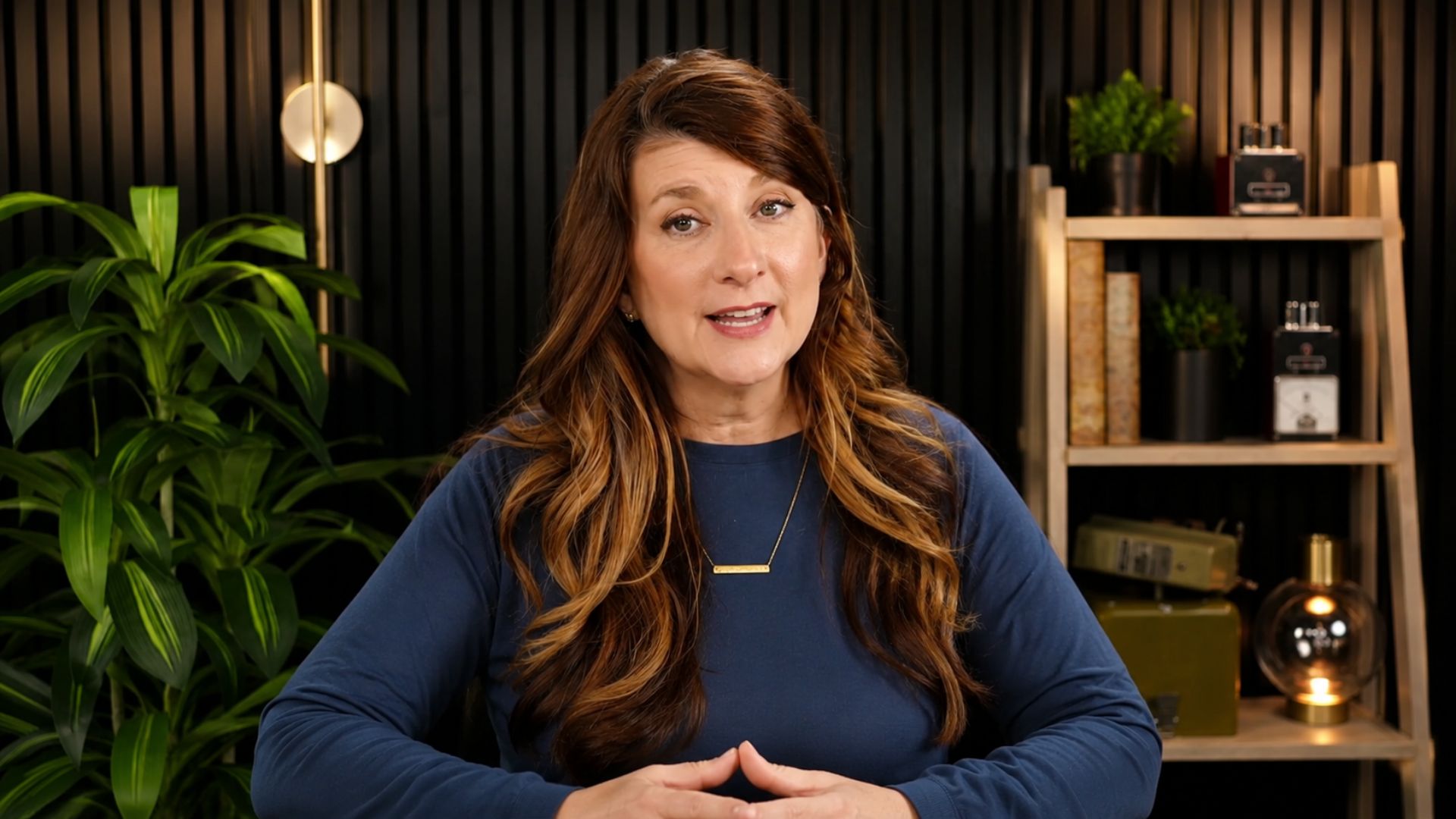
A Case Study video is the extended version of a testimonial — a deeper examination of a customer's journey that documents the problem they faced, the solution they implemented, and the specific, measurable outcomes they achieved.
Where a testimonial video captures a customer's sentiment, a case study captures their story. Before state. Implementation process. After state. Specific metrics. Timeline. And the candid answer to: what would you tell someone considering the same decision?
Case Study videos run longer than testimonials — typically 4 to 8 minutes for the full version — and are produced with the depth of detail that sophisticated B2B buyers at the consideration and decision stages require. Short-form extracts (90 to 120 seconds) are produced simultaneously for social and outbound use.
For B2B companies with long sales cycles, multi-stakeholder evaluations, or significant deal sizes, a library of case study videos representing different verticals, company sizes, and use cases is one of the highest-ROI content investments available.
Case Study Video Production — The Deep-Proof Asset That Moves Sophisticated B2B Buyers
Sophisticated B2B buyers — procurement leads, buying committees, and executives evaluating significant purchases — do not convert on testimonials alone. They need documented evidence of outcomes. Specific numbers. Before-and-after comparisons. A candid account of what the implementation process actually looked like and what was achieved on the other side of it.
A well-produced Case Study video provides all of this in a format that is simultaneously more credible than written documentation and more engaging than a static PDF. The customer speaks in their own words. The outcomes are presented with the specificity that purchasing decision-makers require. And the production quality signals that the company behind the case study is serious about its clients' outcomes.
The difference between a Case Study and a Testimonial is depth. A Testimonial captures a moment — a customer's sentiment and general experience. A Case Study documents a journey — the specific problem, the specific solution, the specific implementation, and the specific result. Both are necessary. In competitive evaluation contexts, the Case Study is often the more decisive asset.
The VID case study interview framework:
- What was the specific situation that made you start looking for a solution?
- What had you already tried, and why had it not worked?
- What specifically made you choose us over the alternatives?
- Walk me through what the first 30 to 90 days looked like.
- What specific outcome or metric can you point to that directly resulted from this?
- What would you tell a colleague in a similar situation who was considering the same decision?
Case study video asset outputs:
From a single case study interview, VID produces: a 4 to 8 minute full case study video for website and sales use; a 90 to 120 second highlight cut for LinkedIn and email; three to four 30 to 60 second excerpt clips for paid social and outbound sequences; and a written case study transcript that serves as the foundation for a long-form written piece.
How is a Case Study video different from a Testimonial video?
A Testimonial is typically 2 to 4 minutes, sentiment-focused, and captures a customer's general experience and enthusiasm. A Case Study is 4 to 8 minutes, outcome-focused, and documents a specific journey from problem through implementation to measurable result. Both serve different moments in the sales cycle — testimonials for mid-funnel trust building, case studies for late-funnel decision support.
How do you handle confidential or commercially sensitive data in case study videos?
VID's case study production process includes a pre-interview review of what the customer can and cannot share publicly. In regulated industries or competitive contexts, case studies can be produced with anonymised data (the metric is real, the company name is protected) or with specific numbers omitted in favour of directional descriptions. Most customers who have had a genuinely positive outcome are willing to share more specificity than their initial instinct suggests, when the production process is handled professionally.
How many case study videos should we prioritise producing?
The minimum viable case study library for most B2B companies is three to five videos covering the highest-revenue ICP segments. From there, the priority is filling vertical, use-case, and company-size gaps. A library of eight to twelve case studies represents most competitive evaluation scenarios. VID typically recommends producing two to three case studies per quarter, building the library systematically rather than in a single production sprint.
Can case study videos be filmed remotely?
Yes. VID's remote filming standard produces professional-quality case study video from the customer's own environment. The process requires approximately 60 to 90 minutes of the customer's time and no special equipment beyond what VID provides in a remote filming kit. On-site filming is available for customers where the environment is part of the story — manufacturing facilities, clinical settings, and physical retail are common examples.