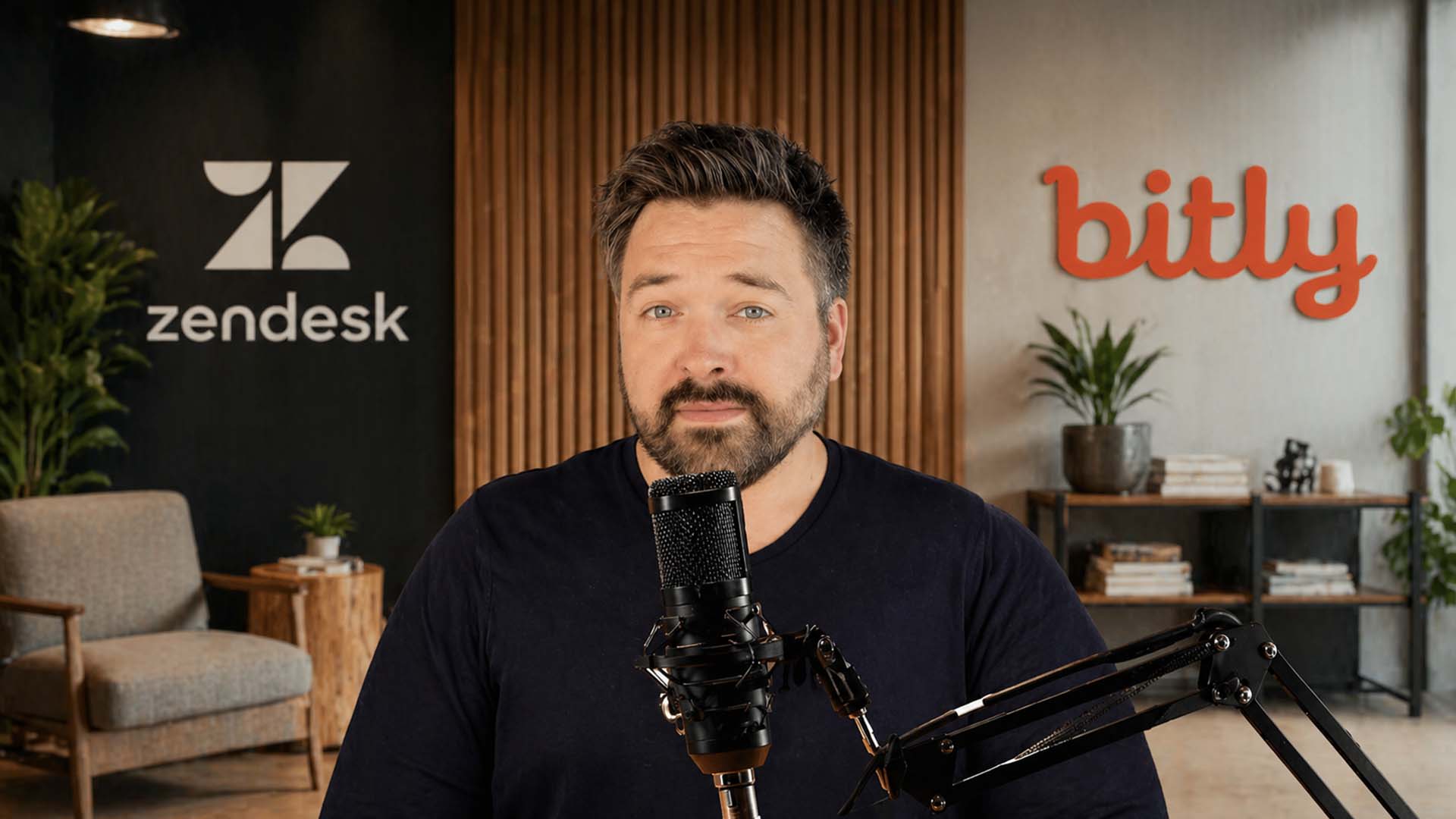

AttorneySync Horton Insurance Claims AI Video Ad
AI video produced to drive brand pipeline and authority for AttorneySync through strategic content infrastructure.
AttorneySync is a lawyer-founded digital legal marketing agency that has been helping consumer-facing law firms grow profitably since 2008 — working exclusively with law firms, never with their competitors, and building digital marketing programs whose results are measurable and whose value is demonstrated on a monthly basis without long-term contracts. Their specialization in legal marketing gives them the specific depth of understanding about how injury victims search, evaluate, and select attorneys that no generalist marketing agency develops without years of category-exclusive practice.
The insurance claims personal injury advertising market is a distinct and strategically important subsegment of the broader PI advertising landscape — one whose target audience is at a specific and highly actionable stage of the legal consideration journey. The injury victim who is actively navigating a dispute with an insurance company has already moved past the initial accident and recovery phase into the specific, high-friction experience of encountering the insurance system's response to their claim. They have submitted their claim. They have received a lowball offer, a denial, or a delay that has made clear the insurance company's objective is to minimize what it pays rather than to make the claimant whole. They are not browsing PI attorneys casually. They are actively looking for help with a specific problem that has become urgent.
This is the highest-intent audience segment in the PI advertising market — and the ad creative that reaches them must speak directly to the specific situation they are in rather than to the general category of personal injury victims. The person whose insurance company has denied their claim or offered a fraction of what their medical bills already total is not in the same psychological state as the person who was in an accident yesterday and is still processing what happened. They are frustrated. They are feeling the specific injustice of a system that was supposed to help them and is instead working against them. And they are ready to take action — which makes the window between their recognition that they need legal help and their selection of an attorney the most consequential creative moment in the PI case acquisition pipeline.
This AI video ad was produced for AttorneySync's Horton personal injury client to reach that specific audience — injury victims who are actively experiencing insurance company resistance — with a message that speaks precisely to their situation, validates their frustration, and communicates the Horton firm as the specific solution their specific problem requires.
The insurance claims creative strategy differs from the general PI advertising approach in specific and meaningful ways. A general PI ad opens on the accident moment — the crash, the injury, the immediate aftermath. An insurance claims ad opens later in the timeline — at the moment when the victim discovers that the insurance process they expected to help them is instead creating additional harm. The hook communicates immediate recognition of the specific experience the viewer is having right now rather than the experience they had weeks or months ago. The problem articulation names the insurance company's behavior with the specific accuracy that makes the viewer feel seen and understood — the lowball offer, the denial, the delay, the adjuster who stops returning calls. And the solution framing communicates that legal representation is not just an option but the specific mechanism that changes the power dynamic between the injury victim and the insurance company that is working against them.
VID produced the Horton insurance claims AI video through the Performance Creative System production workflow — beginning with the message framework that defines the specific viewer the ad is written for and the specific stage of the insurance dispute process where the ad's message is most likely to be encountered and acted on. The scripting approach for insurance claims PI advertising requires the specific combination of emotional validation and practical authority that moves a frustrated injury victim from passive resentment to active legal inquiry. Too much emotional emphasis without authority produces sympathy without credibility. Too much authority without emotional resonance produces credibility without connection. The hook and the narrative structure of the Horton insurance claims ad were designed to deliver both in the compressed attention window that paid social and programmatic video advertising provides.
The AI generation parameters were directed by VID's production team to produce the visual and tonal register that legal advertising in the insurance dispute context requires — the combination of the specific accessibility that makes a potential client feel the attorney understands their situation and the specific authority that makes them confident the attorney can change it. This tonal balance is the creative challenge that distinguishes effective legal advertising from generic legal advertising — and AI generation, precisely directed, produces it at the speed and the cost efficiency that the iterative testing required in a competitive PI advertising market demands.
The compliance framework established by AttorneySync's legal marketing expertise governs every element of the production — the specific claims made about legal outcomes, the disclaimer language required by applicable bar ethics rules, and the specific visual and narrative standards that attorney advertising regulations in the relevant jurisdiction impose. An AI video ad that generates impressions but creates bar compliance exposure for the firm it represents is not a marketing asset. It is a liability. The Horton insurance claims AI video was produced within the compliance framework that makes it deployable across the paid advertising environments where AttorneySync's campaign management places it.
The distribution context for the insurance claims AI video ad is the specific paid media placements where injury victims who are actively navigating insurance disputes are most likely to encounter it — paid social environments where the behavioral targeting signals of insurance-related search behavior, financial stress indicators, and accident-adjacent interest categories identify the audience segment most likely to be in an active claim situation, and programmatic video placements that reach the same audience across the display and video inventory where they are spending time during the research and evaluation phase of their attorney selection process.
For legal marketing agencies, personal injury law firms, and legal advertising operations evaluating what strategically directed AI video can deliver for insurance claim-specific case acquisition advertising, the AttorneySync Horton insurance claims project demonstrates the audience-specific message precision, the compliance-aware production discipline, and the AI direction capability that VID delivers when the creative brief targets a specific, high-intent legal consumer audience at the specific moment their situation makes legal representation most urgently necessary.
A strategically produced and compliance-aware AI video ad delivered and deployed within AttorneySync's Horton personal injury client paid advertising campaigns — built to reach injury victims actively experiencing insurance company resistance and generate qualified insurance dispute case inquiries at a cost-efficient cost per acquisition.