
When you point your camera at a stunning landscape in all its high-resolution glory—let’s say 4K—you expect the final footage to transport viewers right into that scene. But sometimes, the crisp details you worked so hard to capture end up looking soft, pixelated, or just plain blah. So why does your 4K footage sometimes resemble a potato rather than a masterpiece? One key culprit is the often misunderstood concept of bitrate.
The 4K Conundrum: When Crisp Footage Goes Soft
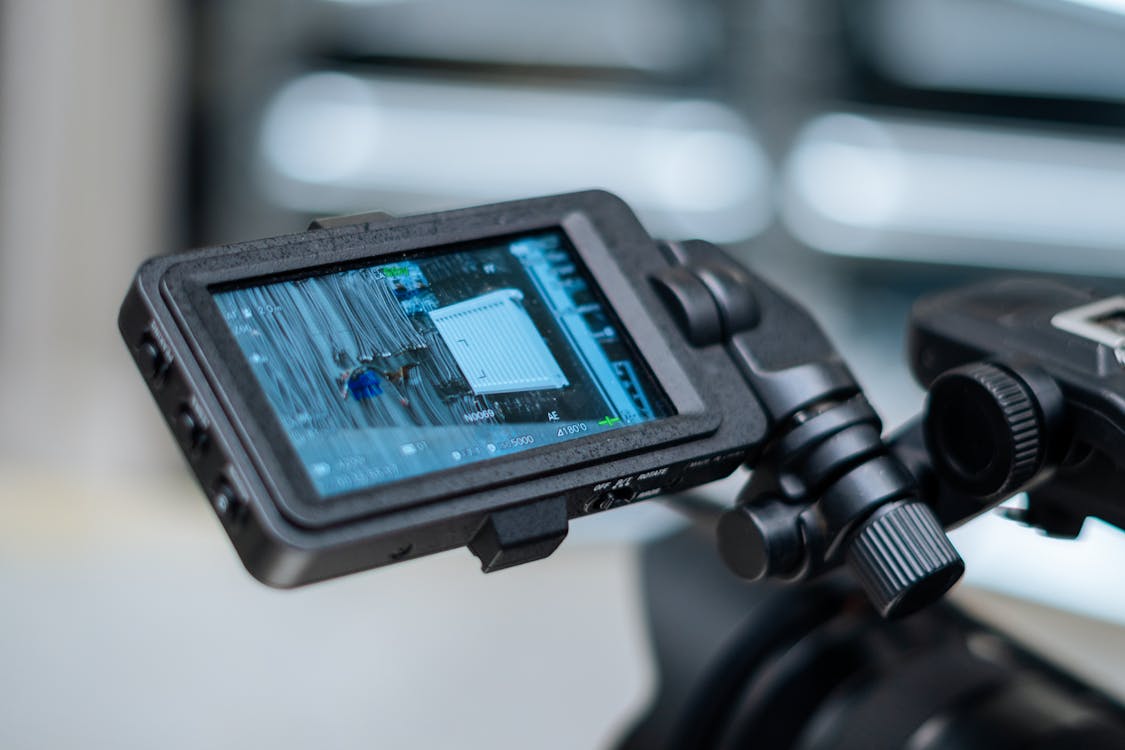
A lot of people assume that 4K automatically means mind-blowing clarity. After all, “4K” conjures up images with four times the resolution of 1080p. But resolution alone doesn’t guarantee top-quality visuals. Motion, lighting, and color grading all play a big role—and so does bitrate.
If your bitrate is too low, your 4K footage can devolve into a digital mess of blocky pixels and smudgy details, essentially turning your supposed ultra-high-resolution video into something that looks like it was filmed on a flip phone back in 2008.
Bitrate: The Unsung Hero of Video Quality
Bitrate is basically the amount of data you’re allocating per second of video. In a nutshell, it’s measured in megabits per second (Mbps). When you’re capturing video, a higher bitrate means your camera or encoder is saving more detail. The advantage? Cleaner edges, better color transitions, and fewer compression artifacts. Conversely, a key reason 4K can look muddled is if the bitrate is dialed way down.
- Think of bitrate like a highway: A wide highway can handle more traffic (i.e., video information) without congestion. A narrow highway forces cars (or in this case, pixel data) to cram into limited space, which can lead to compression problems such as blocky shapes or color banding.
- An even simpler analogy might be painting: If you have a hefty paint supply (high bitrate), you can capture all the little details in your scenery. If your paint starts running out (low bitrate), the strokes become blurry.
Common Bitrate Pitfalls
- Filming on a Low Setting: Many cameras let you tweak the bitrate settings. If you opt for a low bitrate to save storage space or battery life, you might be inadvertently sacrificing image quality.
- Live Streaming Constraints: In the realm of video marketing, you might be streaming content for your audience in real-time. If your internet connection is spotty, the platform often auto-adjusts to a lower bitrate, leading to fuzzier video.
- Post-Production Compression: After editing, you might re-export at a lower bitrate to keep file sizes small. If your target audience is primarily on mobile or if you’re emailing quick previews, it can be tempting to compress the heck out of your footage—but this can turn your gorgeous 4K into a pixelated nightmare.
How To Pick the Right Bitrate
There’s no one-size-fits-all rule because each project is unique. But here are a few guidelines:
- Match Your Purpose: Are you filming a cinematic short with breathtaking vistas and fast action sequences? If so, up the bitrate. Are you creating quick social media videos for an audience that primarily watches on their phones? A moderate bitrate might suffice.
- Consult Platform Guidelines: Different platforms list recommended bitrates for 4K uploads. YouTube, for example, suggests anywhere between 35-68 Mbps for standard frame rates (24, 25, 30 fps). Higher frame rates need even more data. Following these guidelines is a good starting point—and you can always test multiple exports to see how they look in real-world conditions.
- Factor in Motion: If your video has a lot of fast camera moves or sports action, it needs more data to capture all those details. A static interview shot with minimal movement can make do with a slightly lower bitrate.
Balancing Quality and File Size
Video production and marketing teams often grapple with balancing high-quality visuals against practical limitations. Massive file sizes can be time-consuming to upload and can eat into your storage budget. Meanwhile, a crisp video with a bigger file size might mean slower buffering for viewers on slower internet connections. So how do you find that sweet spot?
- Use Variable Bitrate (VBR) when possible: VBR tailors the data usage to what’s happening in each frame. When there’s lots of fast action, VBR will allocate more data; when there’s not much happening, it dials it back.
- Prioritize Key Shots: If you’re putting together a highlight reel or short promotional clip, be willing to invest in a higher bitrate for those crucial moments.
- Do Test Uploads: It’s one thing to view crisp footage on your editing suite, and quite another to see how it looks once it’s streamed on a random home Wi-Fi network. Give yourself time to upload test renders. Watch the results on multiple devices—laptops, smartphones, TVs—and see how the video adapts.
Practical Tips for Great-Looking 4K
- Shoot in the Highest Quality Your Camera Allows: If you’re serious about video marketing your brand or your client’s product using 4K, start with the best capture settings. You can always compress later if needed, but you can’t pull extra details out of thin air if they weren’t captured in the first place.
- Mind Your Lighting: Good lighting can enhance perceived sharpness. If the scene is too dark or overexposed, your camera may be forced to compress or struggle with digital noise—both of which degrade the final look.
- Use the Right Playback Equipment: Assuming your end goal is for viewers to experience the best possible image, make sure they’re watching it on devices or platforms that actually support 4K with the proper bitrate. No one gains from a fancy 4K video if it’s being played on a slow connection that auto-adjusts to 480p.
- Edit Wisely: Experiment with different export settings. Sometimes, you can find a balanced combo of resolution, bitrate, and codec that suits most playback scenarios without ballooning file sizes.
Why It Matters in Video Marketing
It’s easy to think these technical details only matter to cinematographers or hardcore tech-heads, but the stakes are high in video marketing as well. First impressions matter. If a potential client clicks on your video and sees smeared visuals, they might bail in seconds. Crisp, professional-looking footage, on the other hand, encourages them to watch longer—and to trust the quality of what they’re seeing.
- Consistent Quality Builds Credibility: Audiences today have come to expect high-resolution experiences. Showcasing stellar footage at events, on social media, or on your landing page can set you apart from competitors who either don’t use 4K or don’t know how to optimize it properly.
- Repurpose Content: If you capture in high bitrate, you’ll have more flexibility when repurposing footage. Need to cut a clip for social? You can compress a solid 4K master file down to 1080p while retaining good quality. If your source was already heavily compressed, it’s like making a copy of a copy—each reproduction gets worse.
Final Thoughts
When that 4K footage doesn’t look as brilliant as you hoped, don’t blame the camera alone. Sometimes the missing puzzle piece is bitrate, that unassuming number dictating how much detail your video streaming or editing software hangs on to. By understanding how bitrate works—and striking a balance between clarity and file size—you can ensure your 4K creations look far from potato-quality.
Whether you’re live-streaming an event or crafting a high-profile marketing campaign, investing in the right bitrate can pay off in a noticeable, polished end product. A few mindful steps—like shooting in a higher bitrate, using variable bitrate when editing, and testing rigorously—can elevate your video content from lackluster to crystal-clear. In the ever-competitive world of video production and marketing, every detail counts. So, if you’ve been wondering why your 4K doesn’t always look like 4K, now you know: sometimes, the devil is in the data.