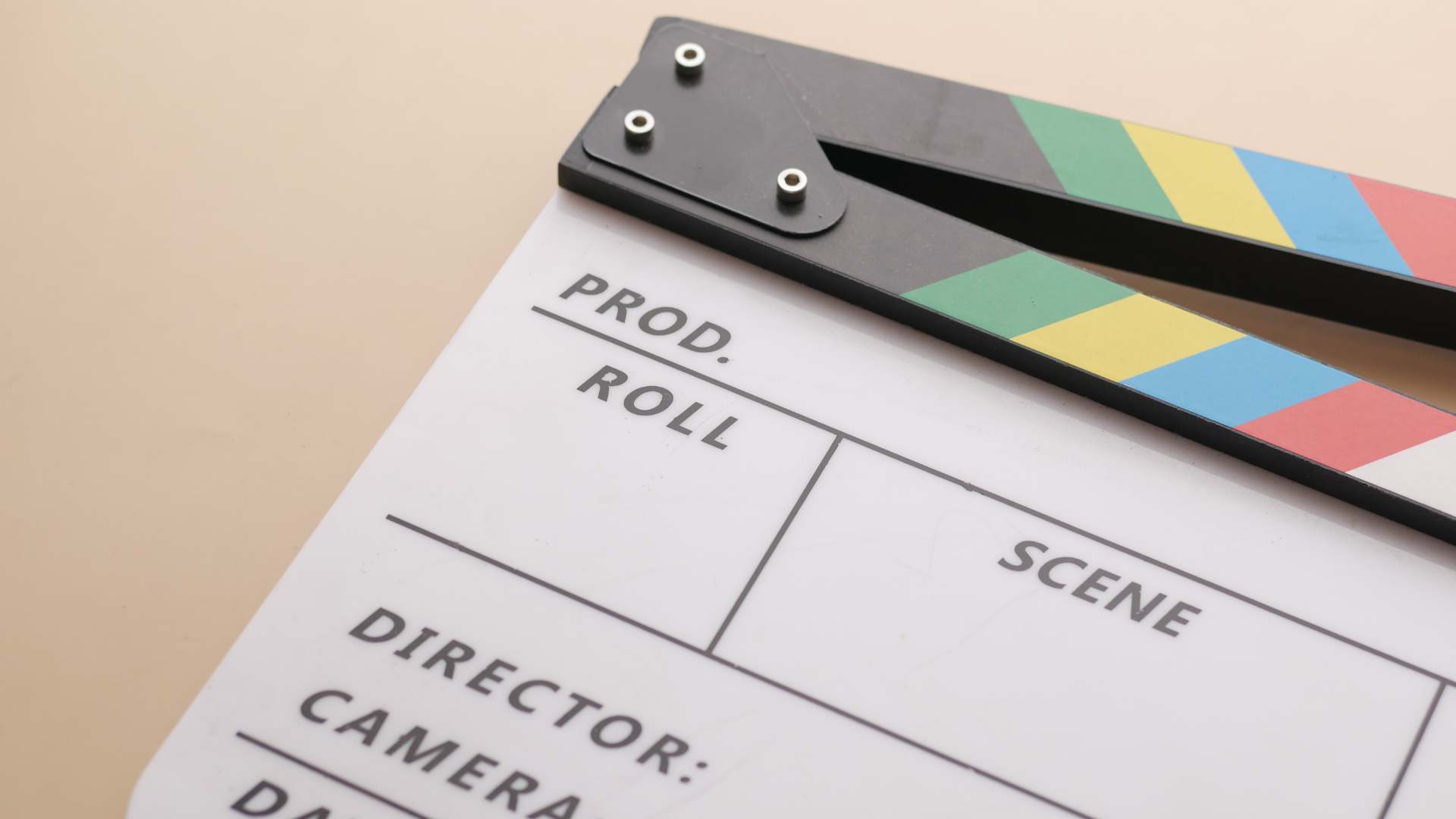
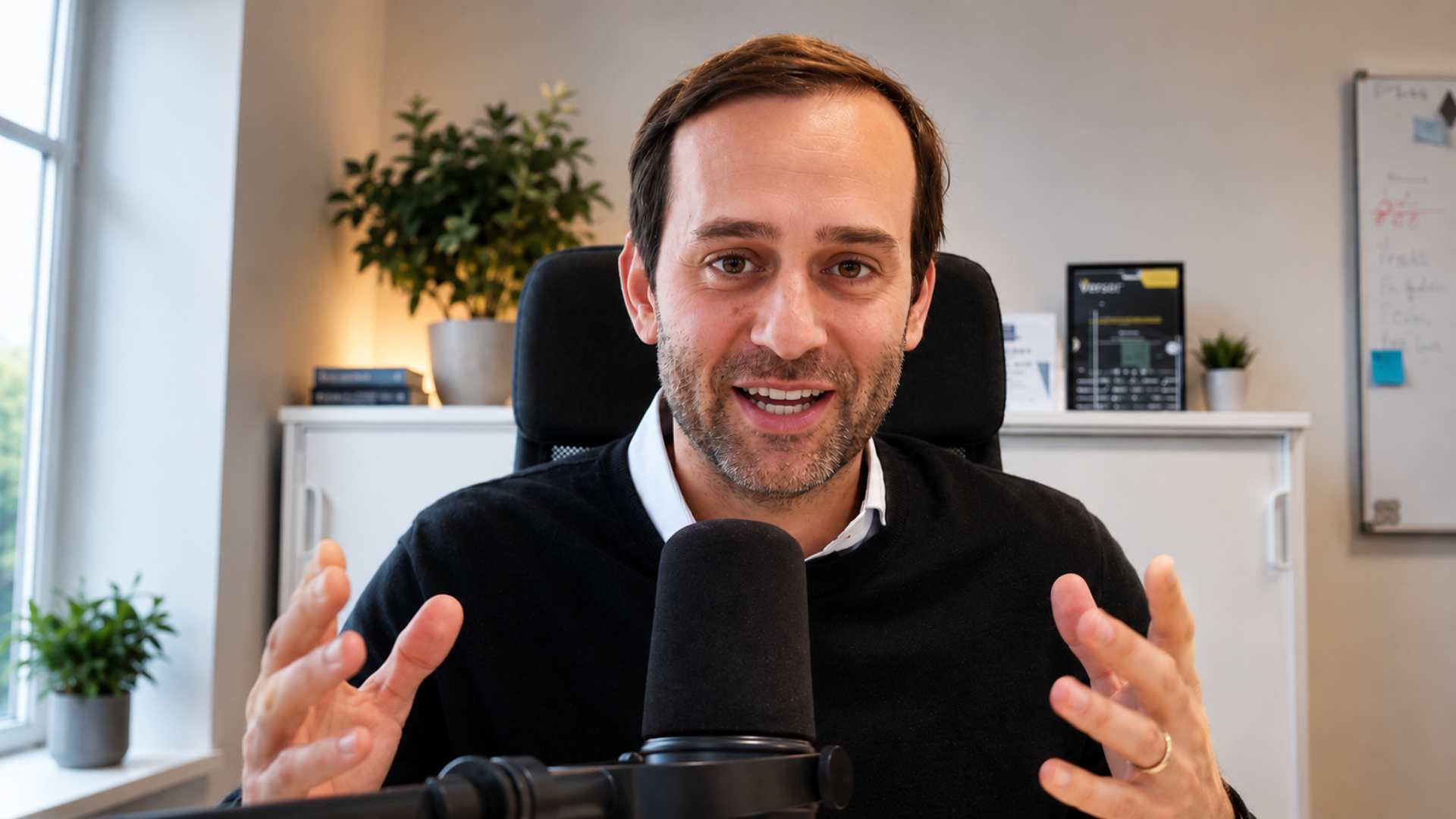
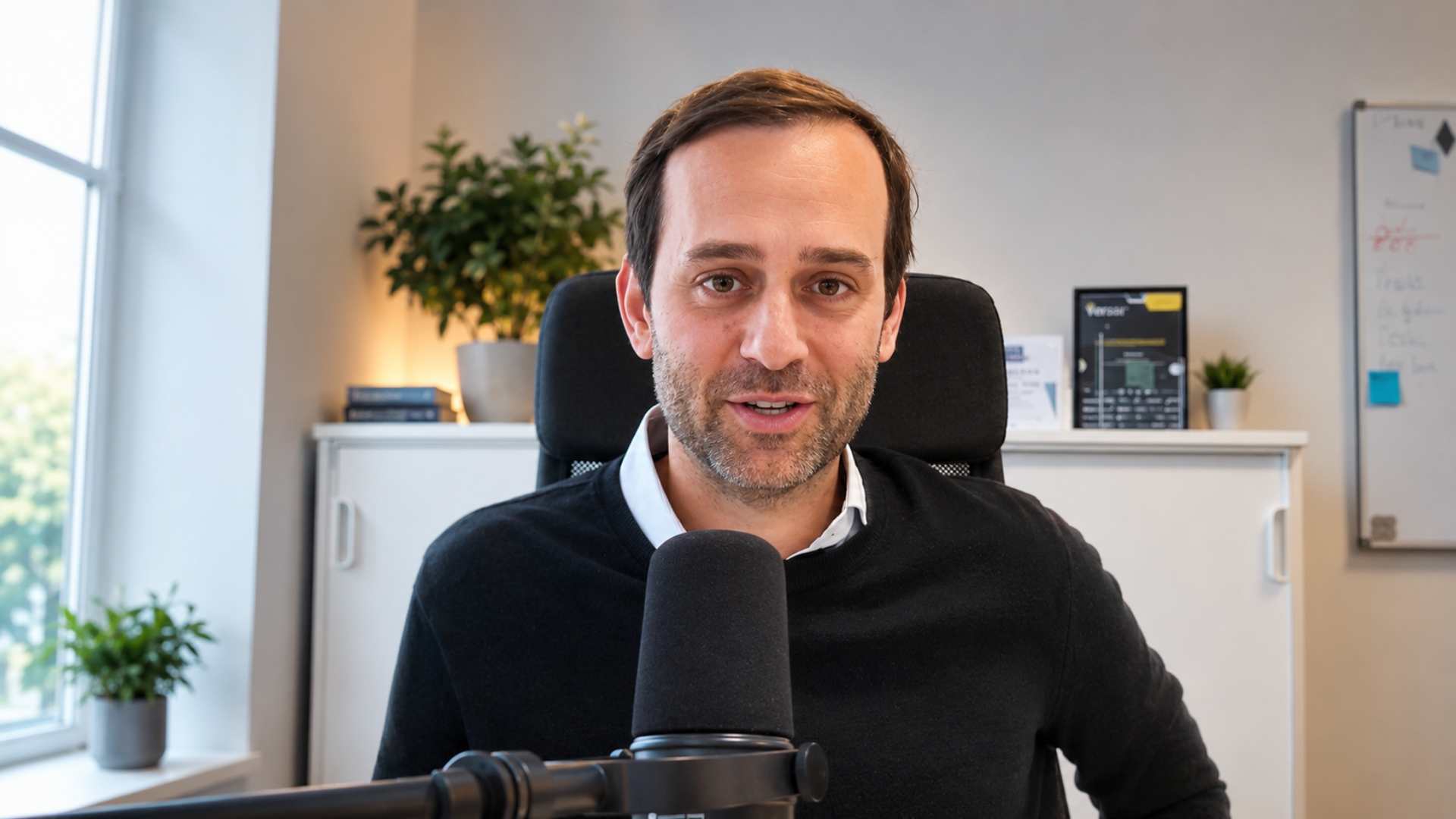
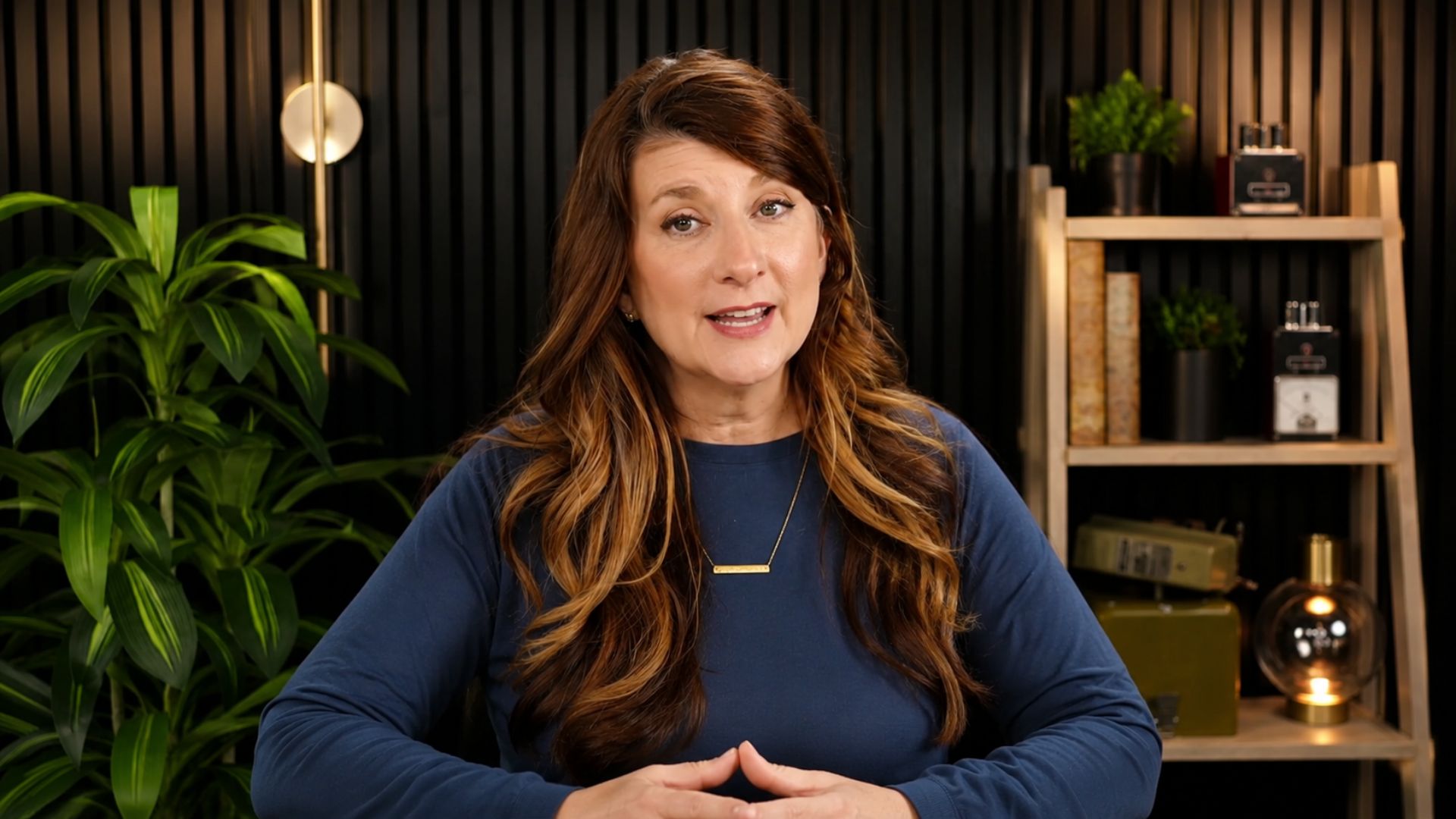
Press and media relations video is the category of video content produced specifically for journalist, analyst, and media consumption rather than for direct buyer distribution. The formats within this category are distinct from standard marketing video because the audience is a media professional who will use the footage as raw material for a story — which means the technical standard, the format requirements, and the content approach are all different from a brand video produced for the company's own distribution channels.
The specific content types that a comprehensive press and media relations video library covers are b-roll packages — professionally filmed footage of the company's facility, team, product, and operations that journalists use as visual context for a written story or as footage for a broadcast segment; executive soundbite clips — short, specific, broadcast-quality video clips of the company's key executives making specific statements about the company, the category, or the news event that makes their perspective relevant — filmed to the technical standard that broadcast outlets require for on-air use; press kit video — a short company overview video, typically 60 to 90 seconds, that gives any journalist encountering the company for the first time the essential context they need to understand who the company is and why it matters; and product demonstration footage — clean, professionally filmed footage of the product in use, without marketing narration or brand graphics, that gives journalists and analysts the visual evidence of what the product does that their story requires.
VID produces press and media relations video as both standalone press kit engagements — for companies preparing for a specific announcement or media campaign — and as an ongoing component of a VidOS™ Operator engagement — for companies with an active media relations program that needs a continuously maintained and updated video asset library.
What This Channel Does for Revenue
Press and media relations video drives revenue through earned reach — the audience that a major publication, a trade journal, a podcast, or a broadcast placement delivers is an audience that no paid program can directly access at equivalent credibility. The specific revenue mechanisms a systematic media relations video program generates are category authority establishment from feature placements in major publications that position the company as the expert voice in its category — which compounds in inbound pipeline, partnership conversations, and recruiting outcomes over the 12 to 24 months following each significant placement; inbound pipeline from buyers who encounter the company through a media placement and arrive with a higher baseline of credibility and trust than a cold inbound lead; and investor and analyst awareness from institutional investors and analysts who monitor their target categories through major publications and use media coverage as a signal of category leadership and commercial momentum.
Most B2B companies that receive media coverage leave significant additional coverage on the table — not because their story is not compelling, but because the journalist who wants to tell it does not have the professional video assets required to tell it at the standard their publication demands.
A technology journalist at a major publication who wants to feature a B2B company's product announcement needs b-roll footage of the product in use, an executive soundbite clip filmed to broadcast quality, and a press kit that includes professional video assets alongside the written release. If those assets do not exist, the story either does not get written or gets written without the visual evidence that makes it compelling — which means the company's story reaches a fraction of the audience it would have reached if the production infrastructure had been in place.
The media relations video gap is most visible at high-stakes moments — a product launch, a funding announcement, a partnership close, a regulatory development that makes the company's expertise suddenly relevant to a major news cycle. These are the moments when having professional video assets ready before the journalist asks for them is the difference between a feature placement and a brief mention.
Press and media relations video content is most valuable for B2B companies in the following situations — companies in fast-moving categories — AI, fintech, climate technology, healthcare innovation, cybersecurity — where major publications are actively seeking expert sources and where having professional video assets ready accelerates the pace of media engagement; companies with a significant announcement calendar — product launches, funding rounds, partnership announcements, regulatory developments — where the timing of media coverage is determined partly by how quickly the company can provide the production assets the journalist needs; B2B executives building personal media profiles as named experts and category commentators — where a library of professional soundbite clips and interview footage makes every media opportunity faster to execute and higher quality in the published result; and companies preparing for a major inflection point — an IPO, a significant acquisition, a category-defining product launch — whose media relations strategy requires broadcast-quality video assets ready before the announcement rather than scrambled together in its aftermath.
What Makes It a System, Not a Service
A press kit video is a deliverable. A systematic press and media relations video program is a media readiness infrastructure — one that gives the communications team professional assets ready for every media opportunity before the journalist asks, maintains those assets as the company's story evolves, and builds the b-roll library that makes every subsequent media placement faster and more visually compelling.
The system VID installs for press and media relations video includes a documented b-roll capture workflow that produces a comprehensive footage library from every significant company event — product launches, facility tours, team moments, customer interactions, and operational environments — updated regularly so the footage is always current. It includes an executive soundbite library — short, specific, broadcast-quality clips of the company's key executives speaking to the most commonly requested media topics — organized for rapid deployment when a journalist needs a quote or a clip on short notice. And it includes a media package production workflow that assembles the right combination of b-roll, executive clips, product footage, and company overview video into a press kit format that meets the technical and editorial standards of every major publication and broadcast outlet.
Press and Media Relations Video Production for B2B Companies — The Assets That Make Every Media Opportunity Possible
When a journalist at a major publication wants to feature your company, they need three things to happen quickly: a professional executive interview or soundbite, b-roll footage of the product or facility that meets their publication's technical standards, and a company overview that gives their editors the context to approve the story. If those assets do not exist, the story either waits until you can produce them — at which point the news cycle has moved on — or it gets written without the visual evidence that would have made it a feature rather than a mention.
Media opportunities do not wait for production timelines. The journalist who is on deadline, the podcast host who needs a clip by Friday, and the broadcast producer who needs b-roll for a segment airing next week are all operating on news cycle timing — not on a production schedule that starts from a blank brief when the opportunity arrives.
The B2B companies that consistently earn the best media coverage are not the ones with the best stories. They are the ones whose communications teams have professional video assets ready before the journalist asks for them — a b-roll library that gives any outlet the footage they need, an executive soundbite library that gives any publication a polished quote-on-camera without scheduling a new production session, and a press kit video that gives any journalist encountering the company for the first time the essential context in 90 seconds.
VID builds that infrastructure — and installs the production system that keeps it current as the company's story evolves, its leadership team grows, and its product and market position develop.