
The Camera Decision Does Not Have to Be Complicated
Choosing a camera is one of the first decisions a video producer makes — and one of the most consistently overthought. The market offers hundreds of options at every price point, and the specifications can feel overwhelming before you have enough production experience to know which ones actually matter for your specific use case.
This guide cuts through the noise. It covers the decisions that genuinely affect your output quality, the camera types worth considering for video production, and the framework for matching a camera to your specific production needs — whether you are just starting out or evaluating an upgrade.
Start With Your Production Goals, Not the Spec Sheet
Before evaluating any camera, define what you are trying to produce and where it will be distributed. A marketing team producing authority content for LinkedIn has different camera requirements than a production company filming brand stories for website deployment. A creator producing short-form social content has different needs than an organization producing training video for internal LMS distribution.
The questions worth answering before you evaluate any camera are these. What formats are you producing — talking head, interview, product demonstration, event coverage? Where will the content be distributed — social platforms, website, paid advertising, internal systems? What is your filming environment — controlled studio, home office, on-location, outdoors? And what level of post-production workflow are you prepared to manage?
The answers to these questions narrow the camera field significantly — and often reveal that the camera you already have is sufficient for the production quality you are trying to achieve.
Camera Types for Video Production
Smartphones
The most accessible camera for most beginners is the one already in your pocket. A current-generation smartphone at 4K resolution produces footage that is sufficient for the majority of professional video applications — LinkedIn authority content, product explainers, testimonials, and most social distribution formats. The camera is not the limiting factor for most creators and marketing teams. The lighting, the audio, and the production setup are.
If you are producing video for the first time, start with your smartphone. Learn the production fundamentals before investing in dedicated camera equipment.
Mirrorless Cameras
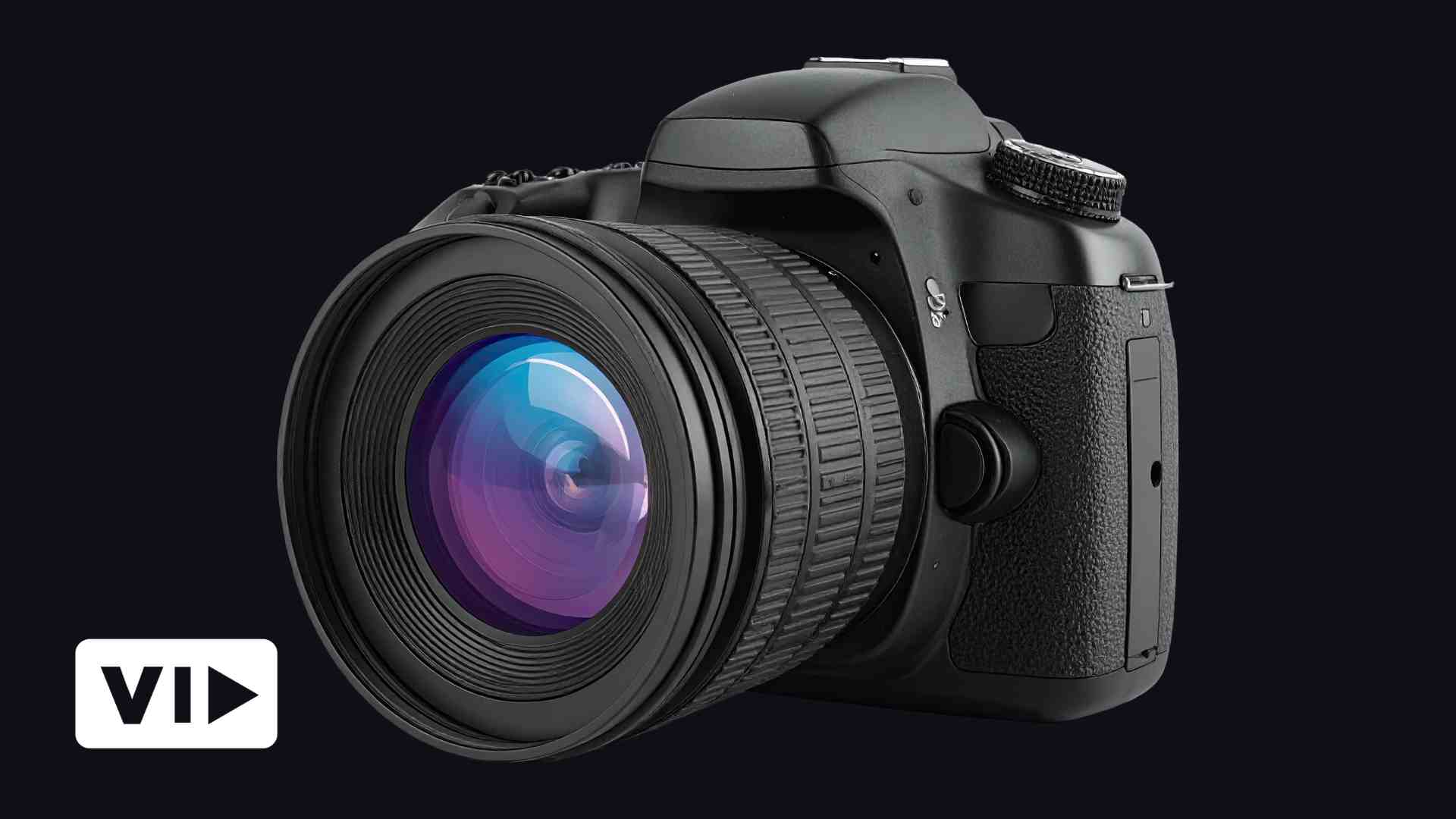
Mirrorless cameras are the current standard for professional video production at the prosumer and professional level. They offer the image quality and creative control of a DSLR in a smaller, lighter body — with the added advantage of electronic viewfinders, faster autofocus systems, and video-specific features that make them the right choice for most professional video applications. The lens ecosystem is broad and growing, and the compatibility between lens systems and camera bodies gives you long-term upgrade flexibility.
For marketing teams and content creators ready to invest in a dedicated camera system, a mirrorless camera is the category worth focusing on.
DSLR Cameras
DSLRs were the standard for professional video production for a decade before mirrorless cameras matured. They remain capable and widely used — and the existing lens inventory is extensive, which makes them a cost-effective entry point for producers who can access good glass at lower prices than a new mirrorless system requires.
If you are evaluating a DSLR purchase in the current market, consider whether a mirrorless camera in the same budget range offers a better long-term investment — the industry has largely shifted, and the mirrorless ecosystem is where manufacturers are concentrating their development investment.
Camcorders
Camcorders are purpose-built video recording devices — optimized for extended recording sessions, reliable autofocus in run-and-gun situations, and the practical features that event videographers and documentary producers need. They are less versatile than mirrorless cameras for creative video production but more practical for specific high-volume or extended-duration recording applications.
Compact Cameras
Compact digital cameras occupy a middle ground between smartphones and dedicated camera systems. They offer more creative control and better image quality than most smartphones in a genuinely pocketable form factor. For creators who need a portable, dedicated device without the bulk of a mirrorless or DSLR system, a compact camera is worth evaluating.

The Specifications That Actually Matter for Video
Sensor Size
Sensor size is the specification with the most direct impact on image quality — more so than megapixel count. A larger sensor captures more light, which produces better image quality in low light conditions, more natural background separation through depth of field, and generally better dynamic range across the exposure range. For video production, sensor size is the specification worth prioritizing over almost every other spec on the sheet.
Megapixels
Megapixel count determines the maximum resolution of the still images a camera captures — and has a more limited relationship to video quality than most buyers assume. For the majority of professional video production applications, a camera with 16 to 24 megapixels produces more than sufficient image quality. Higher megapixel counts matter most for large-format print applications and heavy cropping — neither of which is a primary concern for most video producers.
A higher megapixel count does not mean a better camera. A camera with a larger sensor and a lower megapixel count will frequently outperform a camera with a smaller sensor and a higher megapixel count in the low-light conditions that professional video production regularly encounters.
Video Resolution and Frame Rate
For most professional video production applications, 4K resolution at 24 or 30 frames per second is the current production standard. 1080p remains appropriate for many distribution contexts — particularly social media and internal communications — but the long-term investment case for a camera that shoots 4K is strong, as platform standards continue to move in that direction.
Frame rate flexibility matters for productions that require slow-motion footage. A camera that shoots at 60 or 120 frames per second gives you the option to produce slow-motion sequences at standard playback speed — useful for product demonstrations, event coverage, and any production where movement detail is important.
Autofocus Performance
For talking head and authority content produced without a dedicated camera operator, autofocus performance is a critical specification. A camera with reliable, fast face-tracking autofocus keeps the presenter in focus through natural movement — which is the difference between footage that looks professional and footage that drifts in and out of focus in a way that is immediately distracting.
Test autofocus performance in the specific filming conditions you will be working in before committing to a camera purchase. Autofocus performance varies significantly between camera systems and between filming environments.
Image Stabilization
Optical or sensor-based image stabilization reduces camera shake in handheld filming situations — which matters for run-and-gun event production and location filming where a tripod is not always practical. For studio-based production where the camera is always on a tripod, image stabilization is a less critical specification.
Audio Input
A camera with a 3.5mm microphone input or an XLR input gives you the ability to connect an external microphone directly to the camera — which is important for productions where a separate audio recording device is not practical. If you are filming solo or with a small team, a camera with a microphone input and a decent built-in preamp significantly simplifies the audio workflow.
Choosing Between DSLR and Mirrorless
For a buyer evaluating both categories today, the recommendation is straightforward. If you are building a new camera system from scratch, start with mirrorless. The technology is current, the development investment is active, and the long-term compatibility of the lens system with future camera bodies is better than a DSLR system whose manufacturers have redirected their development focus.
If you have an existing DSLR lens collection and are evaluating a body upgrade, a current-generation DSLR remains a capable production tool. The image quality difference between a current DSLR and a mirrorless camera in the same price range is smaller than the marketing materials suggest — and the lens compatibility advantage of staying within your existing system is meaningful.

Test Before You Buy
The specification sheet tells you what a camera is capable of. Picking it up and using it tells you whether it fits your specific production workflow. Ergonomics, menu system usability, button placement, and the overall feel of a camera in your hands are all factors that affect the daily production experience and are impossible to evaluate from a spec comparison.
If possible, rent or borrow the camera you are considering before purchasing. A day of filming in your actual production environment reveals more about whether a camera is the right choice than any amount of research at a desk.
The Right Camera Is the One You Will Actually Use
The most expensive camera that sits in a bag is a worse production investment than a less capable camera that is configured, ready, and used consistently. The production fundamentals — lighting, audio, framing, and a documented filming standard — matter more than the camera that executes them.
Choose the camera that fits your production requirements, your budget, and the workflow you will actually maintain. Then invest the remaining gear budget in the lighting and audio that will produce the most significant improvement in your output quality because those are the investments that consistently produce the biggest return for the smallest spend.