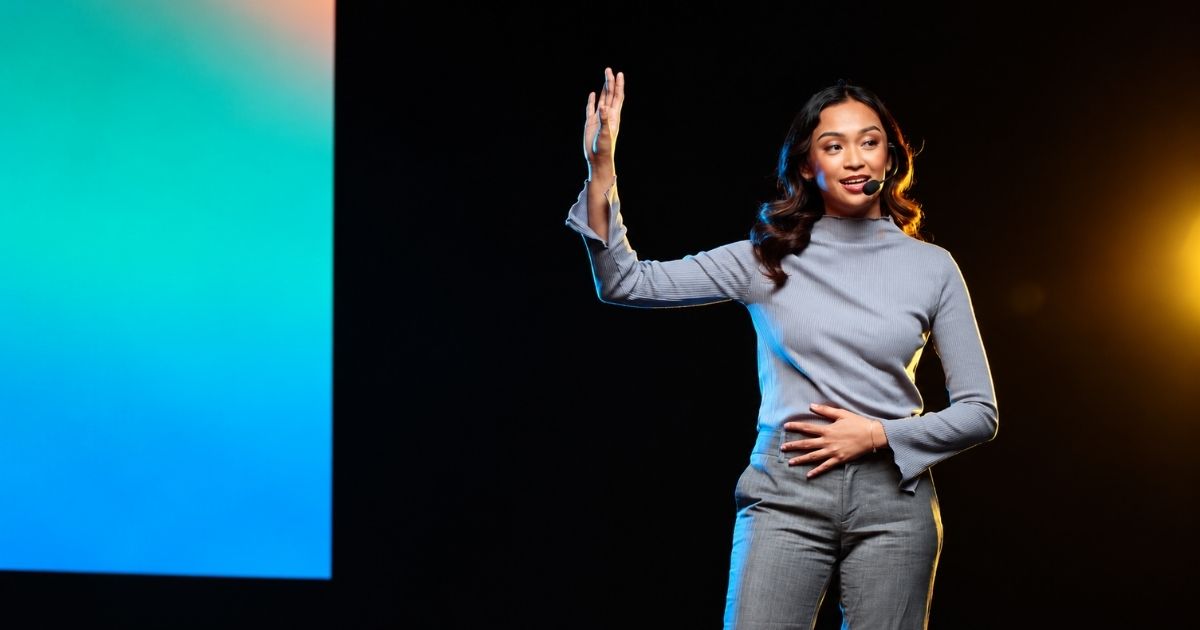
Social Media Video Production helps B2B and DTC brands create consistent video content designed for the platforms where customers, prospects, and communities already spend time. VID produces Social Media Videos for LinkedIn, Instagram, TikTok, YouTube, Facebook, and other channels using executives, creators, customers, products, podcasts, webinars, events, UGC, demonstrations, interviews, animation, and existing long-form content. Production can include strategy, recurring capture, scripting, clip extraction, editing, captions, motion graphics, hooks, platform formatting, and paid or organic versions. The goal is to move beyond occasional social posts and build a repeatable system that gives marketing teams more useful video to publish, test, distribute, and learn from over time.

Social Media Video Production for B2B Companies
Create Social Media Videos built for LinkedIn, Instagram, TikTok, YouTube, and paid campaigns. VID handles strategy, production, editing, and platform-ready delivery.
Video Overview
Social Media Video is video created specifically for distribution through social platforms.
That can include:
- Short-form video
- Executive content
- Product videos
- UGC
- Paid social ads
- Customer proof
- Podcast clips
- Webinar clips
- Event content
- Educational videos
- Behind-the-scenes content
- Brand campaigns
The strongest Social Media Video programs are built around audience relevance, platform behavior, recurring content formats, and a consistent publishing system.
Best For
Social Media Video Production is especially useful for:
- B2B SaaS
- Technology companies
- DTC brands
- Ecommerce
- Professional services
- Healthcare and HealthTech
- Financial services
- Consumer brands
- Product marketing
- Demand generation
- Social media teams
- Founder-led brands
- Executive thought leadership
- Paid media teams
- Companies already producing long-form content
Social Media Video Production Process
Channel Strategy
Identify:
- Priority platforms
- Target audience
- Business objective
- Content themes
- Publishing cadence
- Organic vs. paid use
Content Pillars
Develop repeatable categories of content.
For B2B companies, those might include:
- Industry Education
- Executive Perspective
- Product Education
- Customer Proof
- Company Point of View
- Behind-the-Scenes
For DTC brands:
- Product Demonstration
- UGC
- Lifestyle
- Customer Proof
- Education
- Brand Personality
Format Planning
Define recurring video formats so the team does not reinvent the content strategy every week.
Production
Capture content through:
- Remote recording
- Studio production
- On-site filming
- Executive content days
- Creator production
- Events
- Product shoots
Editing
VID can add:
- Captions
- Hooks
- Graphics
- B-roll
- Screen recordings
- Product footage
- Music
- Motion
- Calls to action
Platform Versioning
Adapt content for:
- Aspect ratio
- Runtime
- Caption placement
- Safe zones
- Hooks
- Calls to action
- Paid or organic usage
Performance Review
Use content performance to determine which topics, speakers, hooks, formats, and channels deserve more production.
Social Media Video for B2B
B2B Social Media Video can help companies stay visible during long buying cycles.
Useful content includes:
- Executive thought leadership
- Buyer education
- Product walkthroughs
- Customer proof
- Industry commentary
- Case study clips
- Webinar content
- Podcast clips
- Event coverage
- Company updates
The objective is not simply to accumulate views.
It is to consistently reach relevant buyers with ideas and proof that make the company easier to understand and trust.
Social Media Video for DTC Brands
DTC Social Media Video can support both brand building and direct response.
Useful formats include:
- Product demonstrations
- UGC
- Reviews
- Lifestyle content
- Comparisons
- Unboxings
- Tutorials
- Offers
- Founder content
- Before-and-after
- Customer reactions
- Product launches
Social content can also provide a steady source of ideas for paid creative.
Social Media Video for LinkedIn
LinkedIn Video works especially well for:
- B2B thought leadership
- Executive content
- Founder content
- Customer proof
- Product marketing
- Industry commentary
- Event content
- Recruiting
Videos should communicate one clear idea and be relevant to the professional audience the company wants to reach.
Social Media Video for Instagram
Instagram Video can support:
- Product marketing
- Reels
- UGC
- Lifestyle content
- Behind-the-scenes
- Customer stories
- Brand campaigns
- Short education
Visual presentation and concise storytelling are particularly important.
Social Media Video for TikTok
TikTok Video can use:
- Creator-led content
- Product demos
- UGC
- Education
- Founder content
- Trends where relevant
- Reviews
- Comparisons
- Direct-response creative
The content should feel native to the platform without forcing the brand into trends that do not fit.
Social Media Video for YouTube
Social media production can support both:
- YouTube Shorts
- Longer-form YouTube videos
Short-form content can create additional discovery, while longer videos can provide deeper education and authority.
Organic vs. Paid Social Video
Organic and paid social content can share source material but often have different objectives.
Organic Social Video
May prioritize:
- Education
- Authority
- Engagement
- Community
- Brand familiarity
Paid Social Video
May prioritize:
- Hook rate
- Click-through
- Conversion
- Lead generation
- Customer acquisition
Strong organic concepts can become paid creative, while paid performance can reveal messaging worth expanding organically.
Social Media Video vs. Short-Form Video
The formats overlap, but they are not identical.
Short-Form Video describes the content length and format.
Social Media Video describes the distribution environment.
Social Media Video can include:
- Short-form clips
- Longer LinkedIn videos
- Full YouTube videos
- Livestreams
- Social ads
- Event recaps
Short-Form Video is one important component of a broader social video strategy.
Social Media Video vs. UGC Video
UGC Video is creator- or customer-led content designed to feel natural and platform-native.
Social Media Video is the broader category and can also include:
- Executives
- Employees
- Products
- Animation
- Customer stories
- Podcasts
- Events
UGC can be one recurring format within the Social Media Video system.
Social Media Video vs. Paid Social Video
A Paid Social Video is specifically built for advertising.
Social Media Video can be created for:
- Organic publishing
- Paid media
- Community
- Executive profiles
- Brand channels
The same production can sometimes support both.
Social Media Video vs. Marketing Video
Marketing Video is a broad category that can support websites, campaigns, sales, events, email, and advertising.
Social Media Video is specifically designed or adapted for social distribution.
Social Media Content Pillars
A small number of recurring content pillars can make social production easier to sustain.
A B2B example:
Teach
Industry education and buyer advice.
Show
Product demonstrations and use cases.
Prove
Customer stories and results.
Lead
Executive perspective and company point of view.
Humanize
Culture, employees, and behind-the-scenes content.
This creates variety while maintaining a recognizable content strategy.
Social Media Video Content Series
Recurring series can make production more predictable.
Examples include:
- Weekly Executive Insight
- Customer Story of the Month
- Product Tip Tuesday
- Industry Myth vs. Reality
- Behind the Build
- One-Minute Demo
- Customer Question of the Week
- Monthly Market Update
Repeatable series can reduce the need to create a completely new format for every post.
Recurring Social Video Capture
Brands can schedule recurring capture sessions with:
- Founders
- Executives
- Employees
- Product experts
- Customers
- Creators
One session can produce weeks of content when topics and formats are planned in advance.
Long-Form to Social Media Repurposing
Social content can be extracted from:
- YouTube videos
- Video podcasts
- Webinars
- Events
- Customer interviews
- Product demos
- Executive interviews
- Workshops
One strong long-form asset can become multiple standalone social videos.
Social Media Video for Product Marketing
Product marketing teams can create video around:
- Features
- Product launches
- Use cases
- Integrations
- New releases
- Customer outcomes
- Product comparisons
- Demonstrations
This creates repeated opportunities for buyers to understand the product without consuming a full sales presentation.
Social Media Video for Customer Proof
Customer content can be adapted into:
- Testimonial clips
- Results videos
- Case study excerpts
- Quote videos
- Before-and-after
- Customer interviews
- Paid proof creative
Proof content can be matched to specific industries, use cases, or buyer roles.
Social Media Video for Demand Generation
Social video can support a broader customer journey.
Content can direct prospects toward:
- Lead magnets
- Webinars
- Workshops
- Newsletters
- Product demos
- Case studies
- Strategy calls
- Sales conversations
The strongest social strategy connects distribution with the next step rather than treating every video as an isolated post.
Social Media Video for Recruiting
Social Video can also support employer branding through:
- Employee stories
- Job campaigns
- Day-in-the-life content
- Culture videos
- Leadership
- Team introductions
- Company events
This helps potential candidates experience the company before they enter the hiring process.
Platform-Native Editing
A video should not automatically be treated the same way on every social platform.
Platform-ready editing can account for:
- Aspect ratio
- Runtime
- Caption placement
- Opening frame
- Hook
- Safe zones
- CTA
- Pacing
- Viewer behavior
The core idea can remain consistent while the presentation adapts to the channel.
Social Media Video Hooks
The opening should immediately give the viewer a reason to continue.
Useful hooks might begin with:
- A strong point of view
- A customer problem
- A question
- A surprising result
- A demonstration
- A misconception
- A useful promise
- A customer quote
A hook should earn attention without misleading the viewer about what follows.
Batch Production
Social media production is often more efficient when filmed in batches.
One content day may create:
- Executive videos
- Product clips
- FAQ videos
- Short-form education
- Ads
- Company updates
Batching can reduce production overhead while increasing consistency.
Social Media Video Repurposing
One production can create:
- LinkedIn Videos
- Instagram Reels
- TikTok Videos
- YouTube Shorts
- Facebook Videos
- Paid Social Ads
- Website Clips
- Email Videos
- Sales Content
- Retargeting Creative
- Product Clips
- Customer Proof
- Recruiting Content
Measuring Social Media Video Performance
Useful metrics may include:
- Reach
- Impressions
- Video views
- Watch time
- Percentage viewed
- Completion rate
- Engagement
- Comments
- Shares
- Saves
- Follower growth
- Profile views
- Website traffic
- Click-through rate
- Leads
- Qualified leads
- Customer acquisition
- Pipeline influenced
- Revenue influenced
The right metrics depend on whether the video's job is awareness, education, engagement, conversion, or paid acquisition.
When & Where You Can Use This Format
Use Social Media Video Production when your brand needs a consistent way to communicate through video across social channels.
It is especially useful when:
- Your social channels are inconsistent — Build a repeatable production and publishing cadence.
- You want more reach from existing content — Turn podcasts, webinars, interviews, events, and longer videos into social-ready assets.
- You want executives to be more visible — Turn founder and leadership expertise into recurring social content.
- You need more product marketing content — Explain features, use cases, updates, and launches through concise video.
- You want more customer proof — Distribute customer stories, testimonials, and results in shorter formats.
- You need more paid creative — Produce social ads, retargeting content, and creative variations alongside organic content.
- You want to test more messages — Use social video to test topics, hooks, offers, benefits, and positioning.
- You are launching something — Create a sequence of teasers, announcement videos, product clips, and follow-up content.
- You want a more human brand presence — Feature executives, employees, customers, and creators instead of relying only on brand graphics.
- Your team has ideas but limited production capacity — Move filming, editing, repurposing, and formatting into a repeatable workflow.
.png)
"VID has been an awesome partner for me and my clients. They’ve consistently delivered high-quality UGC videos fast, with quick revisions, great communication, and zero stress on my end. I’ve had a few crunch-time moments where I needed content ASAP, and they came through every time. If you need a reliable team that makes great creative and actually keeps up with the pace of agency life, these are your people."

"Using VID's TikTok UGC video ads we were able to quickly increase app downloads and become a top ranking brand in the iOS app store."

“What an experience!! Thank you for all the coordination, everyone that was here was so great! Looking forward to meeting and talking about all things post production. Already have some ideas for Season 2!!”

"Thank you for all the exceptional work on our video project. We’re confident that this final version is a powerful representation of our vision and will undoubtedly resonate with our intended audience. Your commitment to ensuring our complete satisfaction is greatly appreciated and we cannot wait to work together again in the future!"
Examples Of This Format
- LinkedIn Thought Leadership Video — An executive or subject-matter expert shares an industry insight or point of view.
- Instagram Reel — A concise vertical video designed around education, product, lifestyle, or brand engagement.
- TikTok Product Video — Demonstrate or explain a product using platform-native pacing and presentation.
- YouTube Short — Turn one useful idea, demonstration, or moment into a vertical short-form video.
- Founder-Led Social Video — A founder speaks directly to customers or the market.
- Customer Testimonial Clip — Turn customer proof into a concise social asset.
- Product Demo Clip — Show one feature, workflow, or benefit.
- UGC Video — Use creators or customers to present a product or message in a natural social format.
- Social Media Ad — Build conversion-focused creative for paid distribution.
- Podcast Clip — Extract a strong moment from a longer conversation.
- Webinar Clip — Turn an educational takeaway or Q&A answer into standalone social content.
- Behind-the-Scenes Video — Show the team, process, event, production, or product development behind the brand.
- Event Social Video — Capture highlights, interviews, reactions, and speaker moments.
- FAQ Video — Answer one customer or buyer question directly.
- Industry Commentary Video — Respond to trends, news, or changes in the market.
- Product Launch Video — Introduce a new product, feature, or campaign.
- Employee Spotlight — Feature employees, roles, company culture, or career stories.
- Educational Tip Video — Teach one practical idea in a concise format.
Commonly Asked Questions
What Is Social Media Video?
Social Media Video is video content produced or adapted specifically for distribution through social platforms such as LinkedIn, Instagram, TikTok, YouTube, and Facebook.
What Types of Social Media Videos Can VID Produce?
VID can produce:
- Short-Form Videos
- Executive Videos
- UGC
- Product Videos
- Customer Testimonials
- Paid Social Ads
- Podcast Clips
- Webinar Clips
- Event Videos
- Educational Videos
- Behind-the-Scenes Content
- Recruiting Videos
Which Social Media Platforms Does VID Create Video For?
Content can be prepared for platforms including:
- TikTok
- YouTube
- YouTube Shorts
The priority platforms should depend on where the target audience actually spends time.
Does Social Media Video Work for B2B Companies?
Yes.
B2B brands can use social video for:
- Thought leadership
- Demand generation
- Product education
- Customer proof
- Sales support
- Recruiting
- Executive visibility
Does Social Media Video Work for DTC Brands?
Yes.
DTC brands can use social video for:
- Product marketing
- UGC
- Customer acquisition
- Lifestyle content
- Paid campaigns
- Product education
- Social proof
Does VID Create Both Organic and Paid Social Video?
Yes.
VID can produce content for organic distribution, paid advertising, or both.
Can VID Turn Existing Content Into Social Media Videos?
Yes.
Existing:
- Podcasts
- Webinars
- Interviews
- Events
- Customer stories
- Product demos
- YouTube videos
can be repurposed into social-ready assets.
Can VID Create Original Social Media Content?
Yes.
VID can plan and capture original content with:
- Executives
- Founders
- Employees
- Customers
- Creators
- Products
- Professional talent
How Long Should a Social Media Video Be?
Length depends on the channel and objective.
Short-form social content often ranges from approximately 15–90 seconds, while some LinkedIn or YouTube content may be longer.
The idea should determine the runtime.
Should We Post the Same Video on Every Platform?
Not always.
The core content can often be reused, but formatting, captions, hooks, runtime, and CTA may need to change by platform.
Does VID Add Captions?
Yes.
Social Media Videos can include captions, headline text, graphics, callouts, and platform-appropriate formatting.
Can Social Media Videos Include Product Screens?
Yes.
VID can combine presenter or customer footage with:
- Screen recordings
- UI animations
- Product demonstrations
- Graphics
- Product B-roll
Can Social Media Video Support Paid Advertising?
Yes.
Social production can include ad creative built specifically around:
- Hooks
- Offers
- Product benefits
- Proof
- CTAs
- Creative testing
How Often Should Brands Publish Social Video?
The right cadence depends on:
- Audience
- Platforms
- Content supply
- Business goals
- Production capacity
Consistency matters more than choosing one universal frequency.
Can One Recording Session Create a Month of Social Content?
Yes.
A strategically planned session can produce multiple videos, especially when topics and formats are identified before filming.
Can Social Media Video Support Demand Generation?
Yes.
Social content can build familiarity and direct prospects toward offers such as:
- Webinars
- Lead magnets
- Product demos
- Case studies
- Sales conversations
Can Social Media Video Be Part of VID Operate?
Yes.
Social Media Video is especially well suited to VID Operate because consistent performance requires recurring strategy, capture, editing, repurposing, approvals, and performance review.
For a defined social campaign or content batch, production can be scoped through VID Project.
What Makes a Strong Social Media Video?
A strong Social Media Video is built around one clear idea, presented in a way that fits the audience and platform.
It should:
- Earn attention quickly
- Deliver value
- Feel native to the channel
- Communicate clearly
- Use the right person or visual
- Make the next step obvious when appropriate
The goal is not simply to publish more video.
It is to build a repeatable stream of content worth watching.
VID for
Social Media Video
Produce a consistent stream of platform-ready video designed for the way people actually consume content on social media.