What Kind of Videos Should I Create?
Once you’ve outlined your strategy, it’s time to focus on the actual video you’ll create. Sounds simple, right? Not quite…
Every video type and style comes with its own strengths and limitations. Some are ideal for driving engagement, others excel at conversions, and some are more cost-effective in the long run. Selecting the right one depends on your marketing objectives and budget.
If you’re unsure where to start, you’re not alone. That’s why we’re breaking down the most common video types—so you can confidently kick off your video creation process.
5 Most Popular Types of Video
From brand videos to FAQs to instructional content, there’s no shortage of video formats to support your marketing funnel.
However, not all videos serve the same purpose. The key is aligning your video type with your marketing goals. Once you’ve defined your objectives, you can explore the unique benefits of each format and choose the one that fits your strategy best.
Explainer Videos
Explainer videos are short, engaging videos that explain a concept, product, or service in a simple and understandable way. These videos are often animated and use storytelling techniques to break down complex ideas into digestible content. They are particularly effective in industries where products or services require some education before purchase.
It's also a fantastic way to introduce your company, brand, or product services to a new audience.
This is a helpful format to follow:
- Identify and establish the problem
- Explain why the issue needs to be solved
- Discuss the solution you provide
- End with a call to action
The secret to great explainer videos is creating engaging material that retains the attention of your viewers. Optimal explainer videos are 1 to 2 minutes long and target the problem efficiently.
Why It’s Important: Explainer videos help clarify what your business offers and how it solves specific problems for your customers. By simplifying complex information, these videos can lead to higher conversion rates, as they make it easier for potential customers to understand and appreciate your value proposition.
Pro Tip: Keep your explainer videos focused and concise, typically between 60 to 90 seconds. Use clear, engaging visuals and a straightforward script to ensure your message is easily understood.
Testimonials and Case Study Videos
One of the best ways to humanize your brand, product, or service, is to create testimonial videos. These can be used to provide the viewer with a first-hand account of how your solution has actual value.
These videos are also effective in employer branding, as prospective employees can get an insight into what working at your company is like. An impressive 82% of consumers have bought a product or service based on a review, highlighting the power and utility of using testimonial videos.
Depending on how many testimonials you're including, the perfect length for viewer retention is 2 minutes.
Why It’s Important: Potential customers are more likely to trust a business that has satisfied clients. Testimonial and case study videos build credibility and can influence purchasing decisions by showing that others have had success with your offerings.
Pro Tip: Ensure your testimonial videos are authentic and feature customers who genuinely reflect your target audience. For case studies, focus on storytelling—present the problem, solution, and results in a compelling narrative.
Brand Videos
Brand videos are foundational content pieces that introduce your company to the world. These videos should convey your brand's mission, values, and unique selling points in a compelling and concise manner. The entire video should be designed to make a strong first impression, telling your brand story and explaining what makes your business stand out from the competition.
Why It’s Important: Brand videos help establish your business identity and build trust with your audience. By showcasing your brand’s personality and vision, you can connect emotionally with potential customers, making them more likely to choose your products or services.
Pro Tip: Make your brand videos eye-catching by incorporating your brand colors, logo, and a memorable soundtrack. Keep it concise—usually between 1 to 3 minutes—to maintain viewer interest.
Commercial
Commercial videos are designed to promote your products, services, or brand on a large scale, typically through paid advertising on television, YouTube, or other video platforms.
These videos are highly polished and professionally produced to capture the attention of your target audience quickly and effectively. The goal of a commercial video is to create a memorable impression that motivates viewers to take action, whether it's visiting your website, making a purchase, or engaging with your brand in some other way.
Why It’s Important: Commercial videos are a powerful tool for building brand awareness and reaching a broader audience. When done well, they can leave a lasting impact and significantly boost your brand’s visibility. These videos are also versatile; they can be used across multiple platforms, including social media, YouTube, and traditional media, to maximize reach.
Pro Tip: To create an effective commercial video, focus on delivering a clear, concise message that resonates with your target audience. Use eye-catching visuals, a strong narrative, and a compelling call-to-action to ensure your commercial stands out and drives the desired response. Keep the length short, typically 15 to 60 seconds, to maintain viewer interest and fit within the standard ad formats on various platforms.
Product Video
If you're preparing to launch a new product or service, this type of video is the best way of announcing to your audience and current customer base. Typically, you'll define the product clearly and explain why it's a beneficial addition to your portfolio.
You may also want to use this video style to target customers in the awareness stage of the marketing funnel and explain why you are the best solution over other competitors.
Why It’s Important: Consumers are more likely to purchase a product after watching a demonstration video that clearly explains its value. These videos reduce the uncertainty associated with buying new products and provide a virtual “test drive” that builds confidence in your offering.
Pro Tip: Focus on creating high-quality, eye-catching visuals that clearly show the product in action. Use close-ups and detailed shots to highlight specific features, and include a call-to-action at the end to encourage viewers to make a purchase.
Incorporating a variety of video types into your marketing strategy is essential for promoting your business effectively. From brand videos that introduce your company to the world, to product demonstrations that drive sales, and educational content that builds authority, each video type serves a unique purpose in your overall strategy.
By leveraging these videos across various video platforms, you can create a comprehensive and eye-catching video marketing strategy that drives results and helps your business grow.
Video Styles

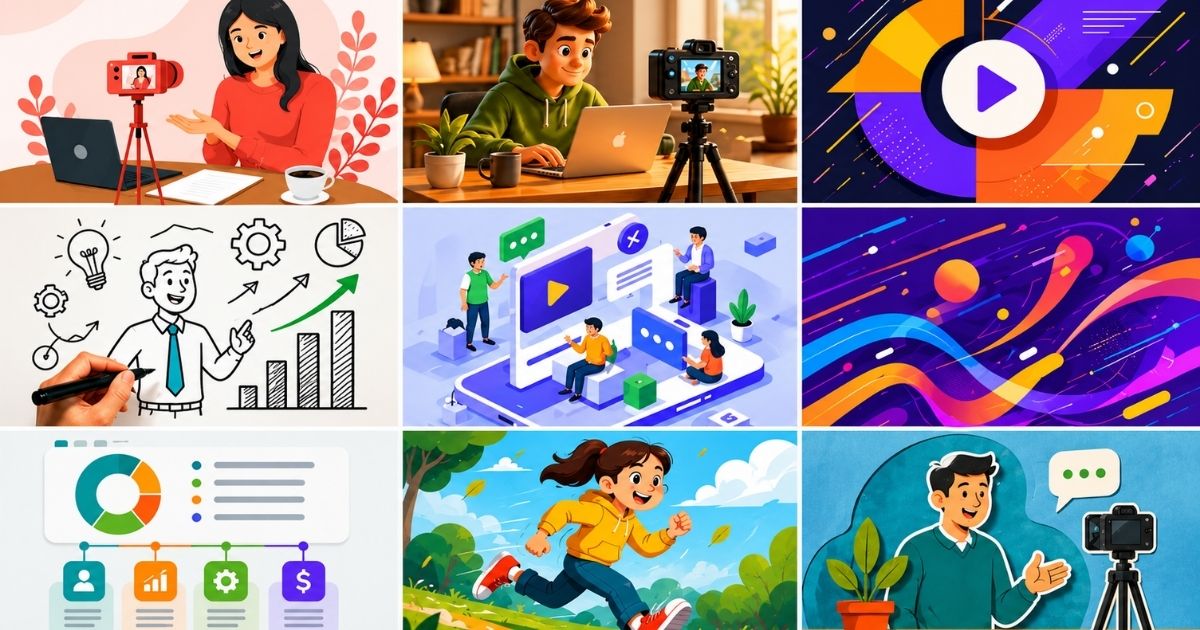
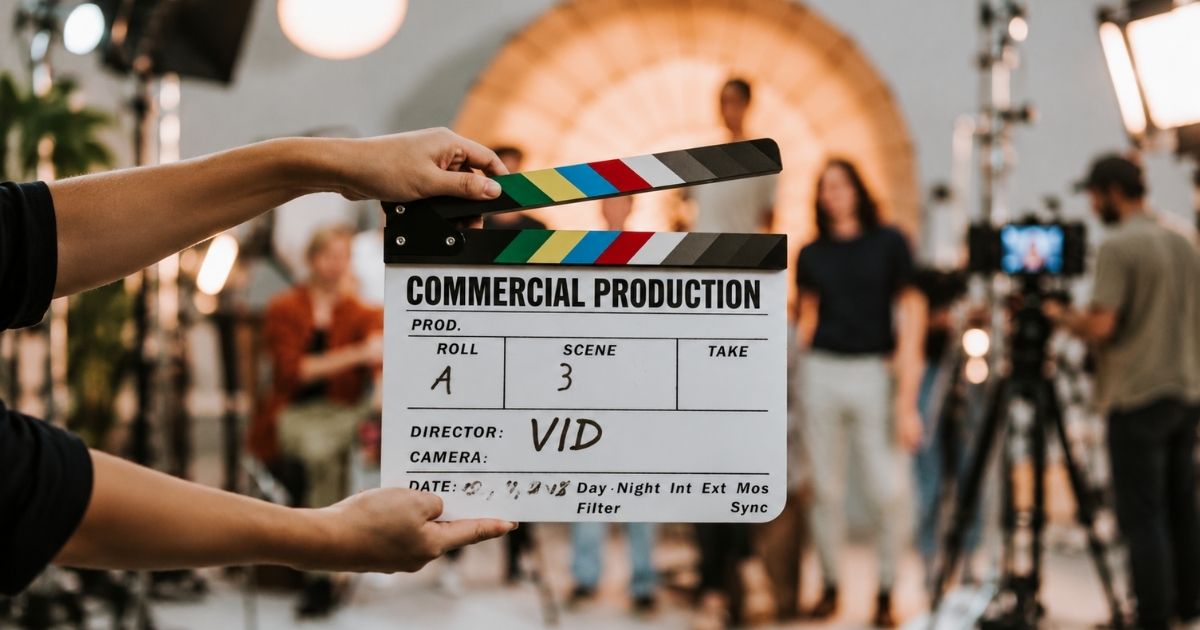





Selecting the right video type is essential, but just as important is choosing the right video style. Style defines the tone, messaging, and storytelling approach of your video. It shapes how your content is presented—whether through live actors, animations, voiceovers, specific locations, or on-screen graphics.
Your video’s style determines how effectively your message resonates with your audience. A well-matched style not only grabs attention but also attracts viewers who are most likely to engage and convert.
Lifestyle Videos
A lifestyle video helps your audience visualize how your product or service fits into their daily life. It showcases aspirational imagery, dynamic action shots, and a carefully curated aesthetic that embodies the lifestyle you want to associate with your brand.
Best Practices:
- Define your look – If your product is modern and sleek, use clean, minimal backgrounds and refined visuals. If targeting a young, tech-savvy audience, highlight innovation, functionality, and relatable talent.
- Align with brand aesthetics – Ensure your video style is consistent with your overall brand identity.
- Use engaging visuals – Capture real-life scenarios where your product or service makes a meaningful impact.
Ideal Length: 30 seconds to 2 minutes
Doc-Style Videos
Doc-style videos take a storytelling approach that focuses on your company’s mission, values, or impact. Typically featuring interviews with founders, employees, or customers, they offer an authentic and transparent look into your brand.
Best Practices:
- Keep it concise – Highlight key soundbites that communicate your story effectively.
- Answer three key questions – What is the focus? Why should viewers care? How does your product, service, or mission work?
- Make it engaging – Use high-quality visuals, dynamic cuts, and compelling narratives to hold attention.
Ideal Length: Under 1 minute (viewer retention drops after this mark)
Narrative Videos
Narrative videos follow a classic storytelling structure—introducing characters, presenting conflict, and offering resolution. These videos take viewers on a journey, making them highly engaging and emotionally compelling.
Best Practices:
- Use storytelling to build brand awareness – Ideal for top-of-funnel marketing when users are discovering your brand.
- Make it relatable – Whether it’s your company’s origin story, a customer’s transformation, or a fictional narrative, ensure the message resonates.
- Infuse strong branding – Maintain consistency with your company’s values, mission, and voice to reinforce brand identity.
Ideal Length: Varies, but short and compelling stories perform best
Animated Videos
Animation is a versatile and engaging style that works well for explaining complex ideas, simplifying technical concepts, and enhancing visual appeal. It can stand alone or be blended with other styles, such as lifestyle videos with animated overlays.
Best Practices:
- Use for clarity – Ideal for illustrating abstract or technical concepts that are difficult to explain with live-action footage.
- Combine with other styles – Animated cutaways or motion graphics can elevate traditional video formats.
- Consider time vs. cost – While animation eliminates the need for live filming, it requires significant time for design and rendering.
Ideal Length: Varies based on complexity, but concise storytelling is key
Which Video Style is Right for You?
Each video style serves a different purpose. Consider your marketing goals, target audience, and production resources when choosing the best fit. Whether you opt for lifestyle storytelling, documentary-style authenticity, narrative-driven engagement, or visually captivating animation, the key is to align your video style with your brand identity and business objectives.


